Brokerage and forwarding
Freight forwarders and NVOCCs: records AI developers may want to license
Freight forwarders book space with carriers and handle the documents for their customers' shipments, while NVOCCs act as carriers to their customers without operating ships. Each shipment file can link bookings, bills of lading, quotes, rates and correspondence with agents. In the US, FMC-licensed ocean freight forwarders keep a separate file for each shipment for five years (46 CFR 515.33). Some AI developers pay for company records that show how real work gets done, step by step.
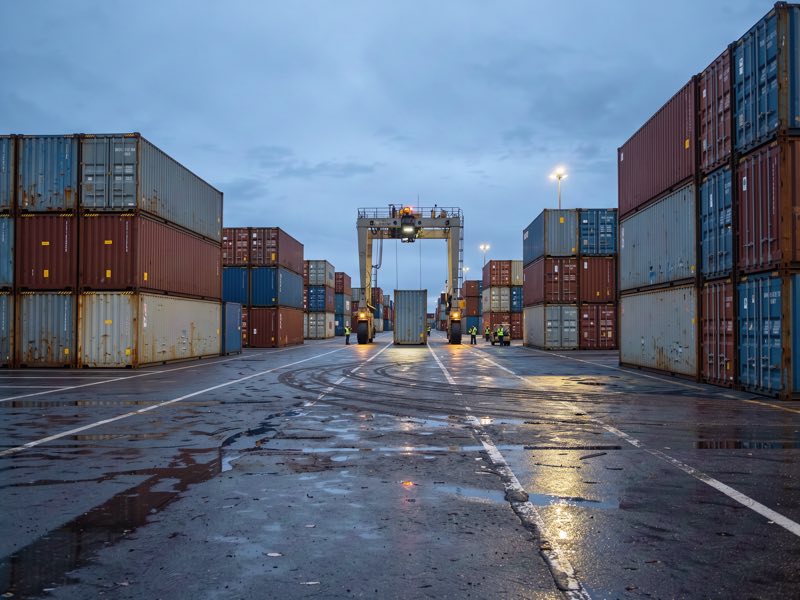
Records a freight forwarder or NVOCC may hold
Usually yours to decide on
These can still contain other parties' details: see Held for others.
- Quotes won and lostYour quotes, which ones converted, at what margin, and which were lost.
- Your own working recordsBooking notes, task histories and correspondence about how each shipment was handled.
Held for others
These may need the other party's consent, or may have to come out before anything is shared.
- Customers' shipment detailsIn the US, common carriers (including NVOCCs), marine terminal operators and ocean freight forwarders may not disclose cargo details, consignee or routing without consent where it could harm the shipper or reveal its business to a competitor (46 U.S.C. 41103).
- Carrier contract ratesIn the US, ocean carrier service contracts are filed confidentially (46 U.S.C. 40502). Treat their rates as off limits.
What a freight forwarder or NVOCC should check before saying yes
What your terms say
Customer contracts, standard trading conditions and any separate data terms may limit what can be shared.
Agent agreements
Check your agreements with overseas agents for confidentiality terms.
How personal details come out
Ask the firm how names and contact details are removed before anything is shared. De-identification explained sets out what to ask.
The terms of any offer
Read what you would be agreeing to, and get your own legal advice before you sign. Once data is used to train a model, it can't practically be pulled back out.
How it works
Fill in a short form and we reply by email within two business days. If it looks like a fit, we introduce you to a firm that represents owners in these deals and email you its name. The firm pays us a referral fee if you sign. See all three steps.
Check if your data qualifies
One short form. If it looks like a fit, we introduce you to a firm that represents owners in these deals. No cost, and nothing is shared without your OK.
Check if my data qualifies →Questions owners ask
Can carrier contract rates be included?
Treat them as off limits. In the US, ocean carrier service contracts are filed confidentially (46 U.S.C. 40502).
Does removing names deal with confidentiality?
Not on its own. Removing names deals with whether a record can be linked to a person, not whether its content is confidential. In the US, shipment details may still be covered by 46 U.S.C. 41103.
Do I have to pay anything?
No. If you sign with the firm we introduce you to, it pays us a referral fee out of its own share, so it doesn't reduce what your company is paid. You never pay Insightlanes.com anything.
Sources
- 46 CFR 515.33: ocean freight forwarders keep a file per shipment for five years
- 46 U.S.C. 41103: disclosure of shipment details
- 46 U.S.C. 40502: service contracts filed confidentially